
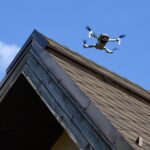
Drone Roof Inspection vs. Ladder on a Minneapolis Storm Claim: When Each Is Better
Drones are having a moment in residential roofing, and the sales pitch you’re hearing is usually something like “drone inspections are faster, safer, and more accurate — it’s the future.” That’s a marketing claim, not a technical one. On a Minneapolis storm insurance claim, the answer is more nuanced: drones are excellent at some things, limited at others, and the best post-storm inspections actually combine both approaches.
This comparison walks through seven specific differences between drone roof inspection vs. ladder on a Minneapolis storm claim: what each method captures well, what it misses, the cost comparison, the documentation quality, and when each should be used. If you’re considering a drone inspection after a hailstorm, this is the honest reading.
Drone roof inspection vs. ladder: the 7 key differences
| # | Factor | Drone inspection | Ladder-based inspection |
|---|---|---|---|
| 1 | Speed | Fast — 15–30 minutes for a full roof | Slower — 45–90 minutes typical |
| 2 | Safety | No worker on the roof — zero fall risk | Standard fall-protection required |
| 3 | Overall imagery quality | Excellent — high-resolution aerial, 4K video | Good — close-up still photos |
| 4 | Close-up damage detection | Limited — fine granule loss hard to read from altitude | Excellent — chalk marks, tactile checks, bruising visible |
| 5 | Chalk-mark per-test-square documentation | Not possible from air | Standard industry procedure |
| 6 | Weather constraints | Limited — wind, rain, cold restrict flight | Works in most conditions |
| 7 | Cost | $150–$400 for drone-only | $0–$200 for ladder inspection (often free) |
The one-line summary: drones are better for overview, steep-slope access, and fast scoping. Ladders are better for detailed damage assessment, chalk-marking strikes, and the documentation that actually drives adjuster decisions. The best approach on a Minneapolis storm claim combines both.
When drone roof inspection is actually the better choice
Specific Minneapolis scenarios where drone-first or drone-only makes sense:
- Very steep or complex rooflines. Roofs with slopes over 8:12, multi-gabled layouts, or inaccessible sections (dormer peaks, chimney-adjacent areas) benefit from drone overview before anyone sets up a ladder.
- Initial triage inspections. When the homeowner wants a quick yes/no on whether there’s damage worth pursuing a claim for, a drone produces a go/no-go answer in 20 minutes.
- Safety-first conditions. Wet roof after a storm, high wind forecast, or icy conditions. Drone keeps the crew off the roof.
- Second-opinion inspections. A drone inspection after a contested claim provides independent imagery for an appeal, without another physical roof visit.
- Documentation of pre-existing condition. Annual drone inspections of a newer roof document condition over time, supporting future claim arguments about when damage started.
- Accessibility limitations. When ladder access is blocked by landscaping, setbacks, or site constraints.
A drone is a tool, not a replacement for an inspector. The best Minneapolis roofers use drones to improve their inspections, not to avoid being on the roof. Drone-only inspections by contractors who never walk the roof should be viewed skeptically — important damage often isn’t visible from 50 feet up.
When ladder inspection is required for a Minneapolis storm claim
Here’s where drone falls short and ladder-based inspection is essential:
- Chalk-mark per-test-square documentation. The industry standard for hail claims is marking each strike in a 10′×10′ test square and counting. This requires a person on the roof with chalk. No drone does this.
- Tactile damage verification. Many hail bruises are soft underfoot but don’t show clearly in photography. An experienced inspector identifies these by feel and visual inspection at 6 inches.
- Shingle integrity testing. Lifting shingle tabs to check for creasing, checking seal-strip adhesion, testing granule adhesion — all require physical touch.
- Underlayment and decking checks. Peeling back ridge caps, examining flashing details, checking for deck separation — drone can’t do this.
- Close-up imagery for adjuster documentation. A 12”-away still photo of a chalk-marked hail strike is what adjusters want to see. Drone 4K footage from 30 feet is supplementary.
- Insurance industry standard. Most adjusters still rely on physical inspection reports as the primary claim anchor. A drone-only report is supplementary evidence, not the main documentation.
This is why almost every Minneapolis roofing company with a serious claims practice owns both tools and uses both methods. Drone first for overview and steep-slope imagery; ladder second for chalk-mark per-test-square documentation. For the broader claim framework, see the Minneapolis storm damage roof insurance claim pillar. For hail damage specifics, how to spot hail damage.
The best Minneapolis hail inspection I’ve seen in 15 years used a drone for the overview and a seasoned inspector on the roof for the details. The drone showed the adjuster the whole context — aerial of all four slopes, proximity to other damaged homes, the storm pattern. The on-roof chalk marks showed the specific damage. Together, it’s iron-clad. Neither alone is.
— Paraphrased from a 2024 Minnesota independent adjuster’s continuing-education session
How to pick the right inspection method for your Minneapolis storm claim
A practical decision framework:
- Filing a clean hail claim: Insist on a ladder-based chalk-marked inspection as the primary documentation. Drone imagery is useful supplementary, not a replacement.
- Triaging whether you have a claim at all: A quick drone overview is fine. If the drone finds clear indicators of damage, commission a full ladder inspection next.
- Contested claim appeal: Adding drone footage to an existing ladder-inspection report strengthens the case for reinspection or escalation.
- Steep or complex roof: Drone-first makes sense for overview; ladder access still needed for detailed damage assessment unless completely inaccessible.
- Homeowner doing due diligence: You don’t need to pay $150–$400 for a drone inspection just to decide whether to call a roofer. Most licensed local Minneapolis roofers offer free initial inspections that cover both.
A contractor who exclusively offers drone inspections and refuses to walk the roof is a contractor to be skeptical of. Often they’re storm-chasers avoiding liability, or crews without the experience to do a proper physical inspection. For contractor vetting, see the Minneapolis roofing companies pillar and our storm chasers vs. local Minneapolis roofers warning. For cost context, the Minneapolis roof replacement cost pillar. For claim filing, how to file a roof insurance claim. Further reading: the NRCA consumer center, the FAA commercial drone operation rules (Part 107), and the Insurance Information Institute claim-filing brief.
Frequently Asked Questions
Are drone roof inspections accepted for Minneapolis insurance claims?
Yes, but usually as supplementary documentation rather than the primary claim anchor. Insurance adjusters still rely on physical ladder-based inspections with chalk-mark per-test-square documentation. Drone imagery strengthens the claim, but drone-only inspections are less commonly accepted as standalone evidence.
Is a drone inspection as accurate as a ladder inspection for hail damage?
No. Drone imagery captures overview, steep-slope access, and 4K photography, but fine granule loss and bruising often aren’t visible from 30–50 feet up. Ladder inspection allows tactile verification, chalk-marking of individual strikes, and close-up imagery that drives adjuster decisions. The best inspections combine both methods.
How much does a drone roof inspection cost in Minneapolis?
Typically $150–$400 for drone-only service. Many Minneapolis licensed roofers include drone overview as part of a free initial inspection that also covers ladder-based chalk-mark documentation. Avoid paying standalone drone fees when combined inspections are available for free from local contractors.
Should I insist on a drone inspection for my Minneapolis storm claim?
Not insist — prefer. The primary document for a hail claim is a ladder-based chalk-marked inspection; drone imagery is valuable supplementary evidence. A drone overview plus a physical inspection is the gold-standard documentation package that gets cleanest claim approvals.
Why do some Minneapolis contractors only offer drone inspections?
Sometimes for legitimate safety reasons (steep roof, wet conditions). More often, it’s storm-chaser crews avoiding liability, cost-cutting operations, or inexperienced inspectors. A contractor who refuses to physically inspect the roof for your claim should be evaluated skeptically — the industry standard includes on-roof documentation for claim support.
Looking for a Minneapolis roofer with drone + ladder inspection?
We’re Minneapolis Roofing Company — a licensed, insured, local crew that documents every shingle, works straight with adjusters, and never pushes an AOB or a deductible-waiver scheme. If you’re looking for a Minneapolis roofer with drone + ladder inspection, we’d love to be the name you recommend to your neighbor after the storm.
